


Practical Green Pest Management Tips for Your Home and Business
- muriela779
- Jun 8
- 4 min read
Dealing with pests can be frustrating. Whether it’s ants marching across your kitchen counter or rodents sneaking into your storage room, pests are unwelcome guests. But using harsh chemicals isn’t always the best answer. That’s why I want to share some practical green pest management tips that work well and keep your space safe and healthy.
Why Choose Green Pest Management Tips?
Green pest management is about controlling pests without harming the environment, your family, or your pets. It focuses on prevention, natural solutions, and smart practices. These methods reduce the need for toxic chemicals and help maintain a balanced ecosystem around your property.
Here are some reasons why green pest management tips are worth trying:
Safer for people and pets: No harsh chemicals means less risk of poisoning or allergic reactions.
Better for the environment: Protects beneficial insects, birds, and soil health.
Long-term effectiveness: Prevents pest problems from coming back quickly.
Cost-effective: Many natural methods use items you already have or can easily get.
By adopting these tips, you’re not just getting rid of pests—you’re creating a healthier space.

Effective Green Pest Management Tips You Can Use Today
Let’s dive into some practical steps you can take right now to manage pests the green way.
1. Keep Your Space Clean and Dry
Pests love food crumbs, standing water, and clutter. Regular cleaning removes their food sources and hiding spots.
Wipe down counters and sweep floors daily.
Fix leaks and avoid water pooling.
Store food in sealed containers.
Declutter storage areas and keep them organized.
2. Use Physical Barriers and Traps
Simple barriers can stop pests from entering your home or business.
Seal cracks and gaps around doors, windows, and foundations.
Install door sweeps and window screens.
Use sticky traps or bait stations for monitoring and catching pests.
3. Encourage Natural Predators
Some insects and animals eat pests naturally. Attracting them can help keep pest populations down.
Plant flowers like marigolds and lavender to attract ladybugs and lacewings.
Provide birdhouses or bat boxes to invite birds and bats that eat insects.
Avoid broad-spectrum insecticides that kill beneficial insects.
4. Use Homemade Remedies
Many natural ingredients can repel or kill pests without chemicals.
Mix water and dish soap to spray on aphids and mites.
Use vinegar or lemon juice to deter ants.
Sprinkle diatomaceous earth around entry points to kill crawling insects.
5. Rotate Crops and Practice Good Garden Hygiene
If you have a garden, rotating crops and removing plant debris reduces pest buildup.
Change planting locations each season.
Remove dead plants and fallen fruit.
Use mulch to prevent weeds and pests.
These green pest management tips are easy to implement and can make a big difference.
Which is the Least Harmful Pest Control Method to an Ecosystem?
When thinking about pest control, it’s important to consider the impact on the ecosystem. The least harmful methods are those that target pests specifically without damaging other organisms or the environment.
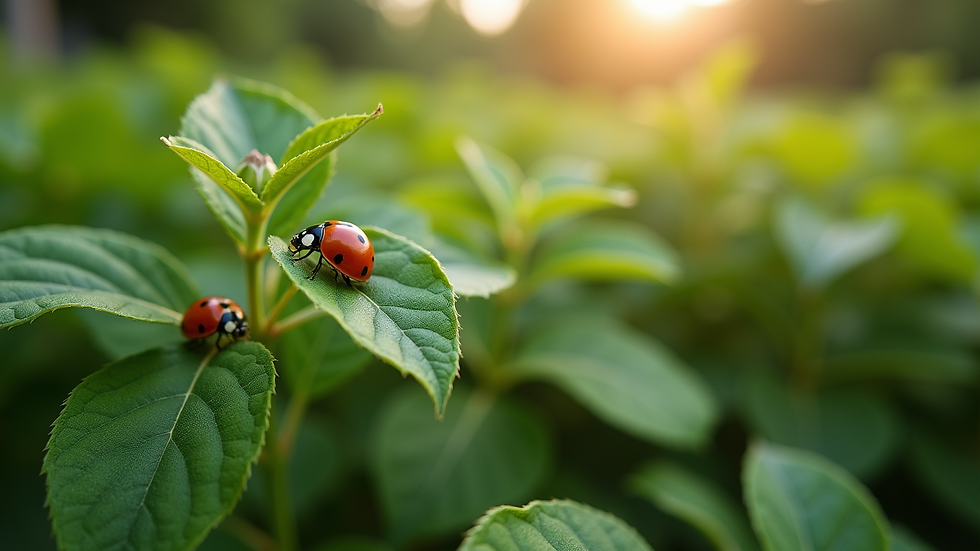
Biological control is one of the best options. This involves using natural enemies of pests, such as:
Predators: Ladybugs eating aphids.
Parasitoids: Tiny wasps that lay eggs inside pest insects.
Pathogens: Bacteria or fungi that infect pests.
These methods keep pest populations in check naturally. They don’t leave harmful residues or disrupt the food chain. Plus, they often provide long-lasting control.
Another low-impact method is mechanical control, like handpicking pests or using traps. These methods are very targeted and don’t affect other wildlife.
By choosing these least harmful methods, you protect the ecosystem while managing pests effectively.
How to Integrate Eco Friendly Pest Control Methods Into Your Routine
If you want to take it a step further, consider integrating eco friendly pest control methods into your regular maintenance. Here’s how to start:
Inspect regularly: Check your property weekly for signs of pests or damage.
Identify pests correctly: Knowing what you’re dealing with helps choose the right method.
Use prevention first: Seal entry points, remove attractants, and maintain cleanliness.
Apply natural treatments: Use homemade sprays or biological controls as needed.
Monitor results: Keep track of pest activity and adjust your approach.
By making these steps part of your routine, you reduce the chance of infestations and keep your space healthy.
Tips for Professional Help with Green Pest Management
Sometimes, pest problems get out of hand. When that happens, it’s smart to call in professionals who specialize in eco-friendly pest control. Here’s what to look for:
Experience with green methods: Ask if they use natural or low-toxicity treatments.
Customized plans: They should tailor solutions to your specific pest issues.
Transparent communication: You deserve clear explanations about treatments and safety.
Follow-up services: Good companies offer ongoing support to prevent future problems.
Working with experts ensures you get effective pest control without compromising your values or safety.
Taking control of pests doesn’t mean you have to harm the environment or your health. By using these practical green pest management tips, you can protect your home or business in a smart, responsible way. Start small, stay consistent, and enjoy a pest-free space that’s safe for everyone.

Comments